







Help to Buy and First Home Scheme
Two Government schemes can help you buy a new home. Help to Buy refunds tax towards your deposit. The First Home Scheme closes the gap between your mortgage and the price. You can use one, or both together. Here is how they work, in plain English.
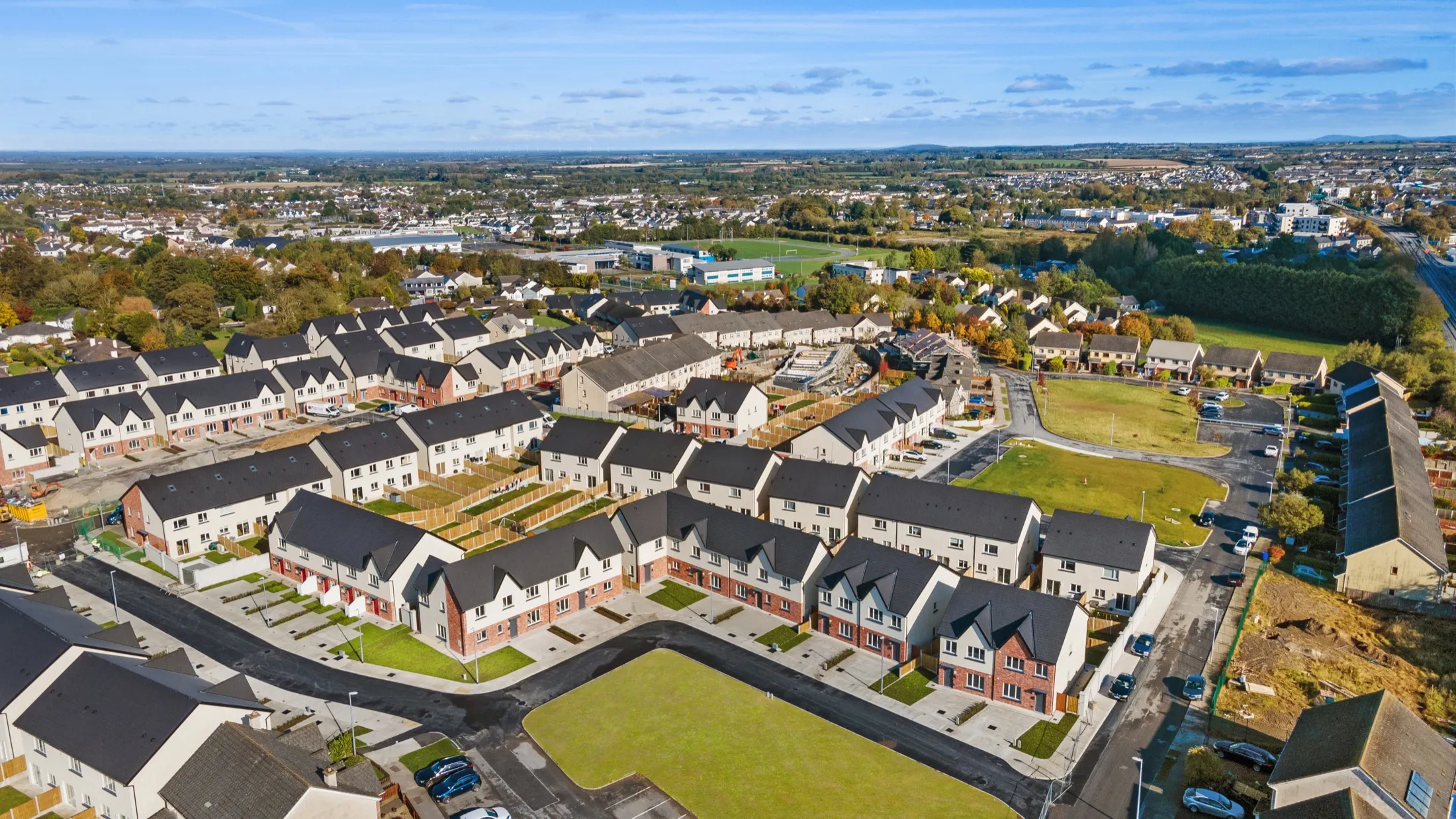
Two schemes, one purchase. You can use Help to Buy, the First Home Scheme, or both together.
Help to Buy is run by Revenue, the Irish tax authority. It refunds some of the tax you have already paid, to put towards your deposit. The First Home Scheme is a partnership between the Government and participating banks. It can fund part of the gap between your mortgage and the price of the home, and in return holds a share in it.
Many first-time buyers use both on the same home. This page explains each scheme in turn. The current limits and rules are on the official sites, which are linked at the foot of the page. We do not repeat them here, so you always see the up-to-date version.
Help to Buy is a refund of tax you have already paid. It goes towards your deposit on a new home.
If you qualify, Revenue refunds a portion of the income tax and DIRT you have paid in Ireland over recent years. DIRT is Deposit Interest Retention Tax, the tax taken from savings interest. The money is paid towards the deposit on a newly built home that you will live in. It is not a loan. You do not pay it back. The amount you can claim is limited to a share of the purchase price, up to a maximum set by Revenue.
Help to Buy: first-time buyers of new homes
Help to Buy is for first-time buyers. That means you have never owned or built a home before, in Ireland or anywhere else. If you are buying with a partner, you must both be first-time buyers.
The home must be newly built and bought from a builder or developer registered with Revenue as a qualifying contractor. It must be your main home, not a rental or a holiday home. There is also a limit on the purchase price of the home.
You need to have paid enough tax in Ireland in the years before you apply to cover the refund. If you have been working in Ireland and paying tax through your employer, that tax counts. Revenue checks this when you apply.
How Help to Buy works
You can apply before you have chosen a home, so it’s worth starting early.
- 1
Check that you qualify
You must be a first-time buyer buying a new home to live in as your main home for at least five years. The home must cost €500,000 or less, and you need a mortgage of at least 70% of the purchase price. Full rules are on the Revenue website.
- 2
Get your tax in order
You must be tax compliant for the four years before you apply. PAYE workers apply through myAccount and may need to file a Form 12 for each of those years. If you are self-assessed, you apply through ROS.
- 3
Apply online to Revenue
Revenue tells you the most you could claim and gives you an application number. This is the application stage, and you can do it before you find a home. If you are buying with someone, you apply together. Your application has an expiry date, so keep an eye on it.
- 4
Choose your home and sign contracts
Once you have signed contracts on a qualifying new home, you move to the claim stage. You upload your mortgage loan offer and signed contract, and confirm the purchase price and deposit.
- 5
We verify the claim
As a Revenue-registered Qualifying Contractor, Quantum verifies your claim with Revenue. Our sales team and the selling agent will guide you through it.
- 6
The refund goes towards your deposit
Revenue pays the refund directly to the builder as part of your deposit. That means you need less of your own savings. You can get up to €35,000 or 10% of the purchase price, whichever is lower, depending on the tax you have paid.
The First Home Scheme is shared equity. The scheme pays part of the price of your new home, and in return holds a share in it.
The scheme is part of the Housing for All strategy. The idea is simple. Your mortgage plus your deposit may not reach the price of the home you want. The scheme can fund some of that gap. In return it takes a percentage share in your home, called an equity share. You own the home and live in it as normal. You can buy back the share at any time, and its value is based on the value of the home at that time.

First Home Scheme: mainly first-time buyers of new homes
The scheme is designed for first-time buyers who are buying a newly built home to live in. The official site also lists other groups who may qualify, so check it if you are not sure.
The home must be within a price ceiling for its local authority area. Each county or city has its own ceiling, and these are reviewed from time to time. The official site lists them.
You need a mortgage from one of the banks that take part in the scheme. The scheme funds the gap only after you have borrowed the most that your lender will offer you.
How the First Home Scheme works
The order matters. Talk to your lender first, then apply to the scheme.
- 1
Get mortgage approval in principle
Apply to a participating lender. They tell you the most you can borrow. This sets the size of the gap the scheme can help with.
- 2
Check the price ceiling for the area
Look up the ceiling for the local authority where the home is. The home you choose must be at or below it.
- 3
Apply to the scheme online
Apply on firsthomescheme.ie. If you qualify, you receive an eligibility certificate that says how much the scheme can fund.
- 4
Choose your home
Pick a home in a development that qualifies. Tell the selling agent that you plan to use the scheme.
- 5
Sign contracts and complete
Your solicitor, your lender and the scheme work together at completion. The scheme pays its share and you receive your keys.
- 6
Buy back the share when you are ready
You can buy back some or all of the equity share later. The official site explains how the amount is worked out and when payment is required.
Worked examples at Droim an Óir
These four examples show how Help to Buy and the First Home Scheme could work together for different buyers at Droim an Óir in Nenagh. They are illustrations, not offers. Your own figures depend on your income, your lender and the scheme rules.
Single buyer
€50,000 annual income
- Mechanical engineer (€50,000)
Example purchase: 2 bedroom homePriced at €305,000
- Mortgage amount
- €200,000*
- Help to Buy contribution
- €35,000
- Buyer’s own deposit
- €9,000
- First Home Scheme contribution
- €61,000
- Estimated monthly mortgage repayment
- €792 per month35 year term
- Example mortgage interest rate
- 3.2%
- APRC
- 3.9%
Joint buyers
€53,000 combined annual income
- Software engineer (€30,000)
- Administrator (€23,000)
Example purchase: 2 bedroom homePriced at €315,000
- Mortgage amount
- €212,000*
- Help to Buy contribution
- €35,000
- Buyer’s own deposit
- €5,000
- First Home Scheme contribution
- €63,000
- Estimated monthly mortgage repayment
- €840 per month35 year term
- Example mortgage interest rate
- 3.2%
- APRC
- 3.9%
Joint buyers
€77,000 combined annual income
- Sales executive (€42,000)
- Nurse (€35,000)
Example purchase: 3 bedroom homePriced at €375,000
- Mortgage amount
- €308,000*
- Help to Buy contribution
- €35,000
- Buyer’s own deposit
- €2,000
- First Home Scheme contribution
- €30,000
- Estimated monthly mortgage repayment
- €1,202.59 per month35 year term
- Example mortgage interest rate
- 3.1%
- APRC
- 3.8%
Single buyer
€70,000 annual income
- Accountant (€70,000)
Example purchase: 3 bedroom homePriced at €375,000
- Mortgage amount
- €280,000*
- Help to Buy contribution
- €35,000
- Buyer’s own deposit
- €2,000
- First Home Scheme contribution
- €58,000
- Estimated monthly mortgage repayment
- €1,093.27 per month35 year term
- Example mortgage interest rate
- 3.1%
- APRC
- 3.8%
*For these examples, buyers are borrowing four times their combined gross annual income to meet First Home Scheme requirements. These scenarios are for illustrative purposes only and do not constitute financial advice or an offer of lending. Mortgage approval and eligibility for Help to Buy and the First Home Scheme are subject to individual circumstances, lender assessment, scheme criteria and applicable terms and conditions. Interest rates, APRC and repayments may vary. Information is correct at the time of preparation.
APRC means annual percentage rate of charge. It shows the yearly cost of a loan as a percentage. For the current scheme limits and rules, use the official sites linked at the foot of this page.
You will not do this on your own
Many of our buyers use Help to Buy, the First Home Scheme, or both. Our sales team and our selling agents have been through the process many times. When you register your interest in a development, we tell you whether the homes there qualify. When you choose a home, we walk you through the claim stage and confirm the details with Revenue.
Not every home in a development is within the First Home Scheme price ceiling. When you register, we ask whether you are registered for the scheme. That helps us point you towards the homes that suit you at launch. Our selling agents confirm eligibility home by home.
If English is not your first language, or if the Irish system is new to you, tell us. We will explain each step as many times as you need.
For the full picture of buying a home with us, from registration to aftercare, read Buying with Quantum.
Developments where Help to Buy and the First Home Scheme apply
Eligibility is by development and by home. Confirm the details for the home you choose with the selling agent.
Ready to find your home?
Register once and we will keep you posted on launches, viewings and eligible homes.
Official sources
Scheme rules, limits and dates change. Always check the official pages for the current figures.
- Help to Buy on revenue.ieEligibility, the current limits, how to apply and the claim process.
- firsthomescheme.ieEligibility, price ceilings by area, participating lenders and how to apply.
- Buying a home on citizensinformation.ieIndependent guidance on the steps, costs and paperwork of buying a home in Ireland.
- Mortgages on ccpc.ieGuidance from the Competition and Consumer Protection Commission on choosing and comparing mortgages.